The Retraction Industrial Complex: Why 500 Redactions a Month is a Feature, Not a Bug
Verified Researcher
Jan 26, 2026•3 min read
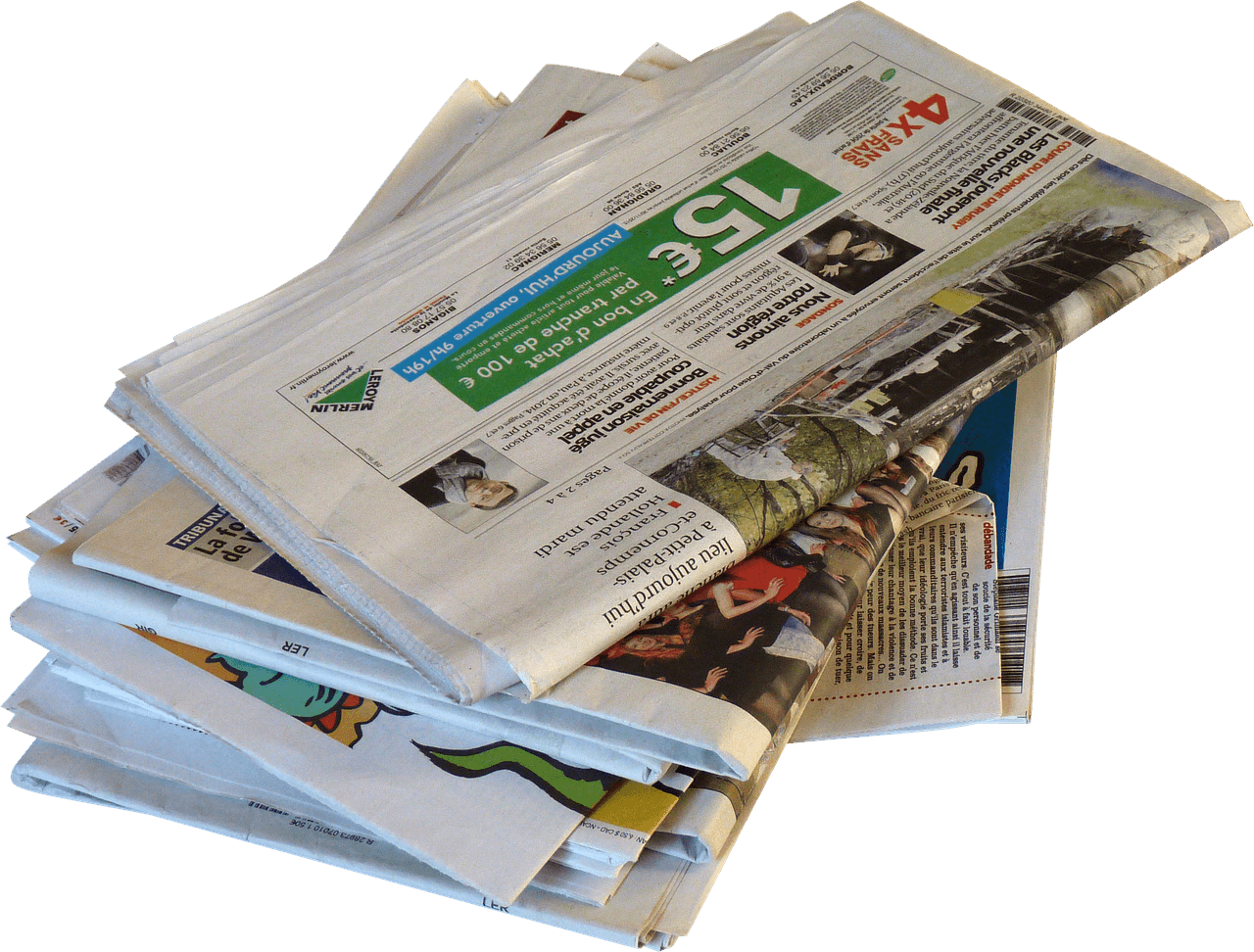
Peer Review is No Longer a Shield; It’s a Cloaking Device
We’ve been told for decades that peer review is the gold standard of scientific truth. It’s a lie. In the current world, peer review has been weaponized by predatory entities and high-volume publishers to provide a veneer of legitimacy to what is essentially a high-speed data-laundering operation. When we see headlines about science journals retracting 500 papers a month, the instinct is to say the system is catching the bad actors.
I find that logic flawed. This massive surge in cleanups looks less like integrity and more like a PR exercise designed to keep the scholarly brand from falling apart. We are watching the growth of the Retraction Industrial Complex. Publishers grab their fees on the way in, then perform some ethics theater on the way out. It is a profitable cycle of shame.
The Metric Trap: How 'Slow Science' Provokes the Predatory Beast
The recent call for "slow science" (researchers voluntarily halving their output) is a noble sentiment that will, unfortunately, lead to a Darwinian culling of the most ethical scientists. While the honest researcher slows down to ensure integrity, predatory journals and hijacked outlets are filling the vacuum with AI-hallucinated citations and fabricated datasets.
The numbers are grim. According to the Retraction Watch report from early 2026, the list of hijacked journals now tops 400. That is a mess. Deception is scaling faster than our ability to track it. If the best minds slow down, the scammers will simply drown out the truth with loud, low-quality garbage. We don't need posters for slow science. We need to burn down the business model of anyone profiting from fake peer review.
The Rise of the 'Zombie Journal' and Hallucinated Authority
We are entering an era of "Citation Collapse." The threat isn't just that a paper is wrong; it's that the paper is built on a foundation of nonexistent references. Recent reports of AI conferences accepting papers with over 100 hallucinated citations show that we have moved past simple plagiarism into a world of pure fiction.
These are not simple mistakes. They represent a total breakdown in the structure of knowledge. Predatory outfits love AI because it makes the cost of churn almost zero. When a journal is hijacked, it (and the trust it once held) is stolen. Over half of these pirate operations are still running in plain sight because the people running the indexes have no financial reason to pull the plug.
Radical Proposals for a Systemic Reset
If we want to kill the predatory cycle, we have to stop treating retractions as a cure and start treating them as a symptom of a terminal illness. To fix this, I propose two radical shifts:
Mandatory Profit Forfeiture: Any publisher that retracts a paper for fraud or compromised peer review must be legally required to refund the processing fee. Not to the author, but to a global fund for integrity. If they lose money on every fake paper they print, the retraction numbers will drop as they finally do their jobs.
The 'Proof of Origin' Protocol: We have to move past basic PDFs and shift toward live data. If the underlying numbers aren't verified from the start, it isn't science. It is just journalism.
We are currently watering the trees while the forest is burning. It’s time to stop worrying about the "humility" of science and start demanding the accountability of the industry that sells it.


Discussion (9)
Join the conversation
Login or create an account to share your thoughts.
Actually, 500 is a low estimate if you look at the growth of paper mills in Southeast Asia.
Finally someone calls it what it is—an industry.
Big if true.
man the system is just broken at this point lol
Retraction Watch keeps getting more depressing by the day. This 'Industrial Complex' phrasing is hauntingly accurate for the scale we're seeing now.
The data integrity team at my university spent all of last month chasing three of these redactions. It's becoming a full-time administrative burden.
does anyone actually read the retractions though or do they just keep getting cited
Excellent analysis! It reminds me of the rigorous peer review standards we used to have back in the late nineties. Thank you for sharing.
While the author suggests this is a 'feature,' it feels more like a desperate attempt to patch a sinking ship. Are we actually addressing the 'publish or perish' root cause?