The Franchising of Fraud: Why the ‘Paper Mill’ Label is a Dangerous Understatement
Verified Researcher
Oct 3, 2024•4 min read

Beyond the Mill: The Rise of Shadow Research Conglomerates
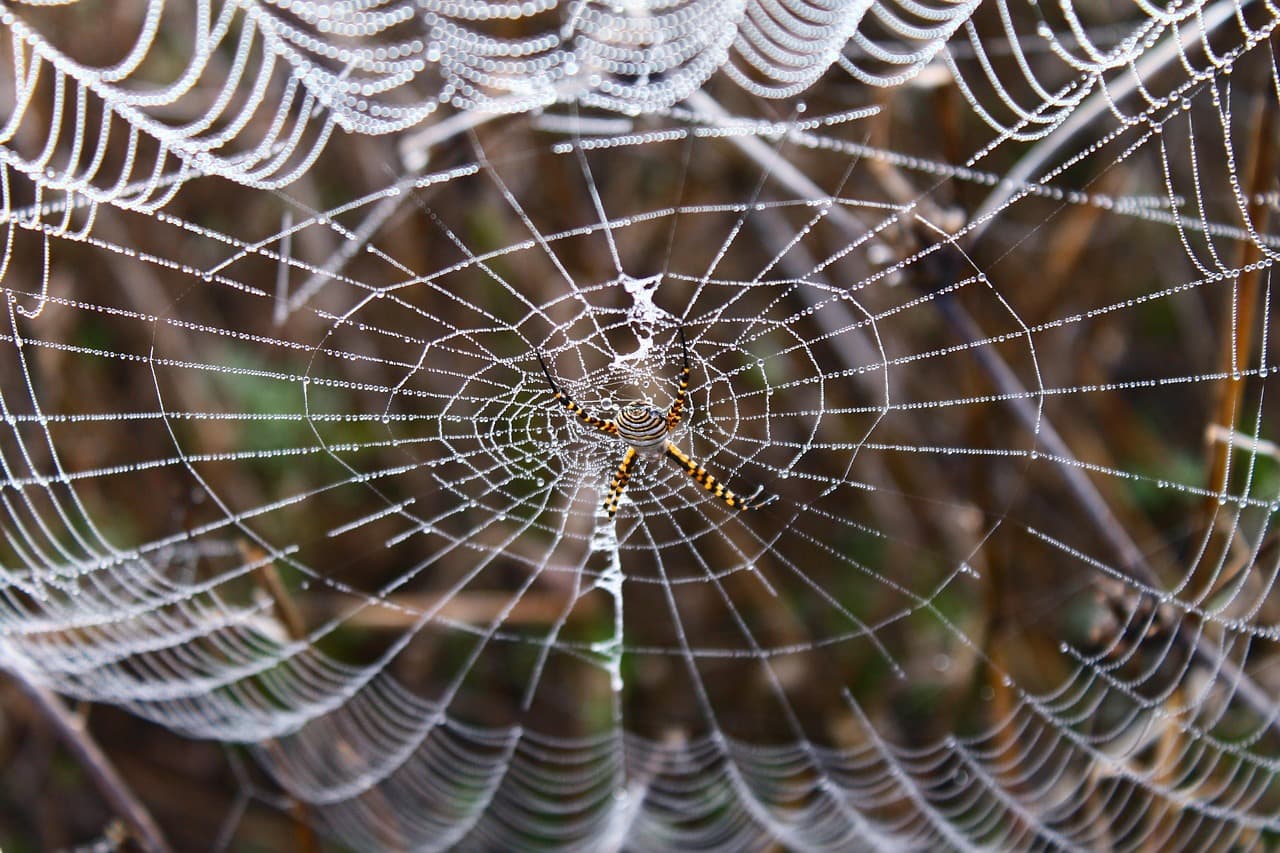
For years, we have comforted ourselves with the term "paper mill." It suggests a small-scale, discrete operation, a back-alley shop churning out shoddy manuscripts. It is time to retire that cozy euphemism. The reality, as recently exposed by investigators tracing the spiderweb of the Academic Research and Development Association (ARDA), is far more terrifying. We aren't dealing with mills (we are dealing with vertically integrated shadow ecosystems that have commoditized the entire lifecycle of a researcher's identity).
The industry is no longer obsessed with the individual fake paper. It has scaled up. As the ARDA and Technoarete mess shows, these entities now own the entire food chain. They control the conference, the professional society, the Best Paper award, the patent filing, and the journal. It is a closed loop of manufactured prestige. In this world, the truth is not just ignored, it is totally irrelevant to the bottom line.
The Ghost Intellectual Infrastructure
What makes this "Hydra" model so resilient is its mastery of the Ghost Infrastructure. By operating hundreds of identical business fronts, from "Conference Next" to "BioLEAGUES", these syndicates ensure that a single retraction or a Scopus de-indexing is merely a rounding error. While sleuths play Whac-A-Mole with one hijacked journal, the conglomerate has already spun up three new ones, each with a professional-looking website and a veneer of legitimacy derived from bogus MOUs with real universities.
The "International Conference" has become a digital mirage. It appears in war zones or Mumbai at the same time, serving as a hook to collect fees and hand out fake credentials. These aren't just bad journals. They are predatory universities in waiting. They are replacing the real work of academia with a paid simulation.
The Institutional Complicity Trap
To understand why this rot persists, just follow the money. Investigative data from late 2024 confirms that these groups aren't just tricking the occasional desperate academic. They are signing formal deals with actual universities. This isn't a case of a predator hunting a victim. It is a business partnership.
This is the "Aha!" moment: The universities themselves are often willing participants. They need the publication metrics to climb global rankings; the paper mills need the university's institutional legitimacy to avoid detection. It is a symbiotic rot. When a university principal signs an agreement with an entity like IFERP to guarantee 50 publications for a conference, they are not being duped. They are purchasing a rank-boosting service.
The "Franchise" Defense: Why Retractions Fail
Our current systems for peer review and retractions were built to catch honest mistakes or the occasional rogue liar. They are useless against a franchise model. When a CEO says that "acceptance" into their journal only implies an internal check, they are doing more than being slippery. They are announcing that they have built a parallel world with its own rules for what counts as progress. It is a separate reality.
If we continue to treat these as individual cases of "bad papers," we will lose. The hydra doesn't care if you cut off a head; it has a thousand more in the cloud.
Structural Reforms: Killing the Hydra
Stopping this requires us to dump the "Integrity Sentinel" vibe. We need to act like systemic mechanics instead. First, blacklist the whole conglomerate. COPE and the big indexers should start corporate de-indexing. If a publisher shares a CEO, a street address, or a hijacked domain with a known mill, the whole network loses its impact factor. Right away. So, no appeals and no long waiting periods.
Audit the MOUs: Funding bodies must require universities to disclose all third-party "publication assistance" contracts. Any institution caught signing an MOU with a known mill-affiliated organization should face an immediate freeze on research grants. We must make the cost of complicity higher than the reward for ranking-padding.
The days of the lone con artist are over. We have entered the age of the fraudulent enterprise. If we do not pivot our strategy now, the scientific record will become nothing more than a sales brochure for the highest bidder. This is basic proof that the system is broken (and waiting for us to fix it).

Discussion (8)
Join the conversation
Login or create an account to share your thoughts.
Terrifying scale.
I encounter these 'manufactured' citations in my peer review work every week. The system is definitely buckling under the weight of this volume.
Calling it a 'franchise' might be a bit dramatic. These are mostly just loose networks looking for easy money, not some global conspiracy.
it is crazy how deep this goes honestly we are just scratching the surface
if the metrics didn't reward quantity maybe we wouldnt be in this mess
Spot on.
Excellent analysis of a troubling trend! Back in my day, academic integrity was a given, but now everything seems so corporate.
Is there any software currently capable of detecting these coordinated clusters before they reach publication? That seems like the only real fix.