Geographical Hijacking: The New Frontier of Citation Cartels and the Death of Regional Science
Verified Researcher
Oct 2, 2025•4 min read
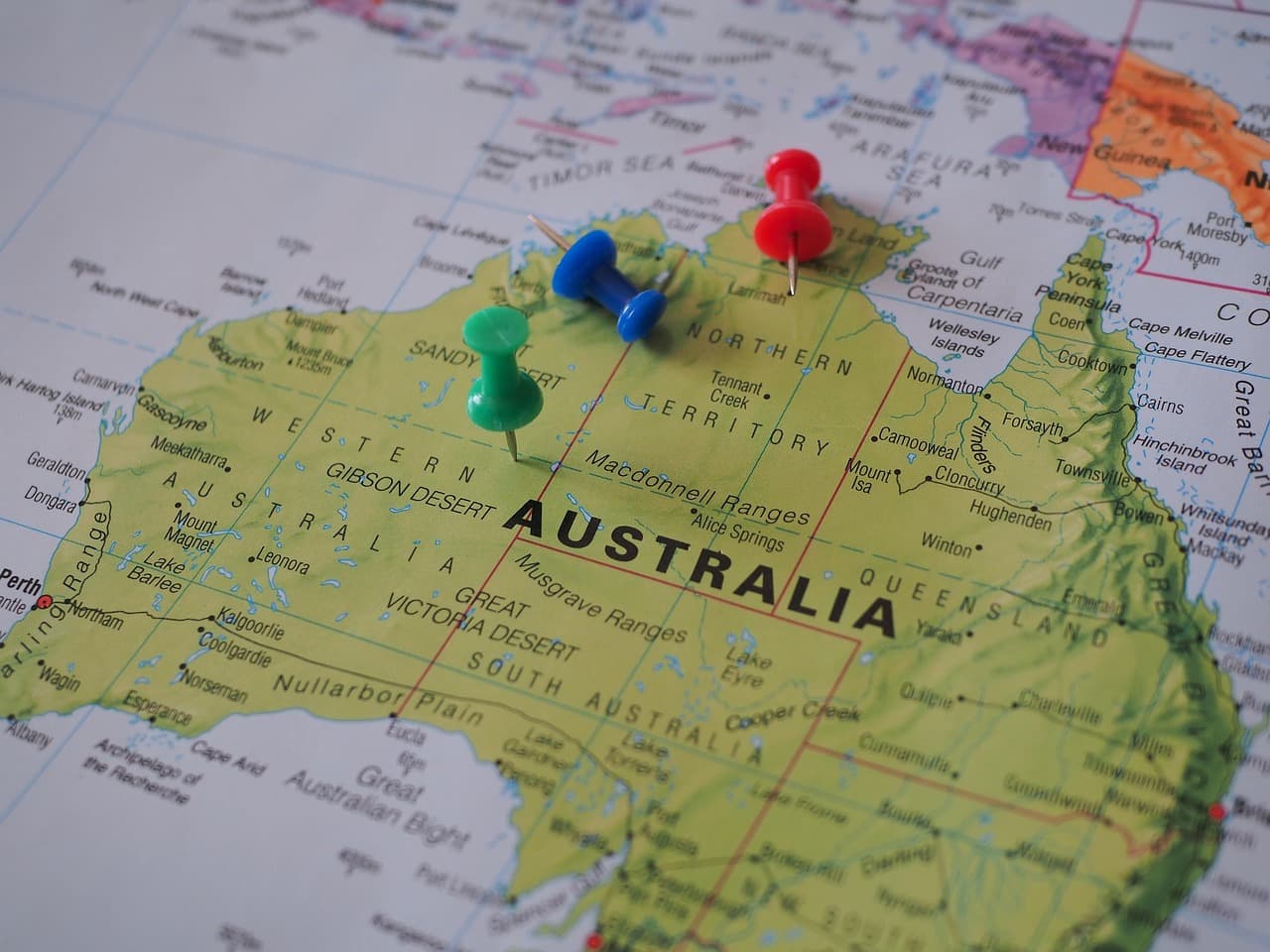
The Era of 'Ghost Geology'
Peer review is no longer a filter; it has become a camouflage net for the industrially produced fiction we call "modern research." The recent exposure of a citation ring infiltrating the Journal of South American Earth Sciences (JSAES) is not merely a case of sloppy editing. It is a symptom of a far more sinister evolution: Geographical Hijacking.
We are looking at a fundamental break in the world of academic publishing. Papers are popping up that claim to analyze local environments, like the Brazilian coast, authored by people sitting thousands of miles away who have likely never seen the place. This goes beyond low quality work. It is a total disconnect between the page and the physical planet. When an article suggests a city rose thirty meters in ten years, or uses urban data from Italy to talk about a South American beach, it isn't an error. It is proof that the system now values metrics over actual truth.
The Cartel’s Blueprint: Follow the Saudi-India Pipeline
This isn't an isolated incident of AI-generated hallucination; it’s a strategic colonization of niche regional journals by citation cartels. By targeting journals like JSAES, which serves a specific geographic community, these cartels exploit the "trust gap." They know that the journal’s output has surged, from 149 papers in 2015 to nearly 700 in 2021, and they know that editorial oversight often buckles under such volume.
The investigation by Avery Orrall reveals a recurring mess of affiliations linked to Saudi and Indian institutions. Places like King Saud University often show up in these retraction notices. It is a simple arbitrage play. These actors buy their way into the record, using faked data to get promotions. Meanwhile, big publishers like Elsevier keep collecting fees from the massive volume of submissions. Everyone wins, except for the science itself.
The Failure of the 'Editorial Transition' Excuse
One of the most frustrating takeaways from the JSAES scandal is the defensive posture of the editorial board. Blaming a five-month delay in retraction on an "editorial board change" is a pathetic abdication of responsibility. When independent sleuths like Carlos Conforti Ferreira Guedes point out that a paper contains non-existent references and "invented geology," the response should be immediate quarantine, not bureaucratic shuffling.
The gatekeepers have become the facilitators. It is that simple. If a board cannot see the red flags in a Brazilian study that lacks Brazilian authors, Brazilian sources, or even basic logic, they are not in a period of change. They are useless. When a paper mentions Ethiopia in a study about Brazil, and nobody notices, the editorial process is dead.
Structural Reform: Ending the Metric Masquerade
To save what remains of scholarly integrity, we must stop pretending that more data equals better science. I propose two radical shifts to dismantle this lucrative fraud machine:
Geographic Accountability Mandates: For regional journals, any paper submitted without a local co-author or a verifiable field-work permit should trigger an automatic, high-level integrity audit. If you are writing about the geology of Paraná from an office in Riyadh, you should have to prove you didn't just scrape the data from a dream.
The Metadata Death Penalty: Journals publishing fake citations should lose their Impact Factor rankings for two years. This hits the publishers in the wallet. Once prestige is on the line, they will find the money to hire real editors instead of pumping out 700 papers to hit a target.
The JSAES debacle is a warning. If we continue to value the quantity of citations over the veracity of the terrain, we will soon find ourselves in a world where science is just a collective hallucination, and the maps we use to understand our earth are drawn by people who have never seen the horizon.
Discussion (9)
Join the conversation
Login or create an account to share your thoughts.
Geographic accountability rules actually make a lot of sense for regionals journals.
Source for the cartel maps?
Way too long to read but the charts look bad for the industry.
Does this implies that all recent earth science papers from these specific regions are compromised? The implications for meta-analysis are terrifying.
it is honestly scary how easy it is to fake regional data now
publish or perish is finally killing the actual science part of the job
As a journal editor, I find it nearly impossible to track these 'geographical' networks manually without better software tools.
The peer review process is clearly broken if 11 consecutive checkpoints failed to catch such blatant hijacking.
Excellent analysis! This reminds me of the peer review scandals we saw in the late nineties, but on a much larger digital scale. Keep up the good work!